A Comprehensive Guide to Transforming Your Outdoor Space
Creating the perfect outdoor space involves more than just planting a few flowers. It requires careful planning and execution to achieve a landscape that is both beautiful and functional. Whether you’re looking to enhance your home’s curb appeal or create a relaxing backyard oasis, understanding the process of a successful landscape installation is crucial. In this guide, we will walk you through each step, providing insights and tips to help you achieve the garden of your dreams.

Initial Planning and Design
The first step in any landscape project is planning. Take time to think about what you want from your outdoor space. Consider factors like budget, climate, and how you’ll use the area. A well-thought-out design ensures that all elements fit seamlessly together. Many homeowners find it helpful to consult with a professional to turn their ideas into a practical plan. Remember, the best landscapes are those that balance aesthetics with functionality.
Clearing and Preparing the Site
Once your design is in place, it’s time to prepare the site for installation. This step includes clearing debris, removing old plants, and leveling the ground. Proper preparation is vital as it sets the foundation for everything else. Ensure the soil is healthy by adding amendments if necessary. This stage may also involve addressing drainage issues or installing irrigation systems to ensure long-term success.
Installing Hardscape Elements
Before planting begins, focus on hardscaping features such as patios, pathways, walls, or water features. These elements provide structure and define spaces within your landscape installation. Use materials that complement your home’s architecture and suit your lifestyle. For instance, choose slip-resistant surfaces for paths near pools or play areas for safety.
Selecting and Planting Vegetation
This is where your vision starts coming to life. Select plants based on your climate zone, sunlight availability, and maintenance preferences. It’s important to group plants with similar needs together. Pay attention to mature sizes of trees and shrubs to avoid overcrowding. A mix of perennials and annuals provides variety throughout the year. Planting should follow a strategic layout, ensuring adequate spacing for growth.
- Choose native plants for easier maintenance and eco-friendliness
- Consider seasonal interest with blooms at different times of year
- Include evergreens for year-round greenery
Finalizing Mulching and Irrigation
After planting, mulching helps retain moisture, suppress weeds, and improve soil quality. Apply a layer of organic mulch around plants without smothering them. At this point, establishing an efficient irrigation system becomes essential. Drip irrigation is highly recommended for its water-saving benefits and direct delivery to plant roots. Regular watering schedules need adjustment based on weather conditions.
Ongoing Maintenance and Care
Maintaining your landscape ensures its health and longevity. This includes regular tasks such as pruning, fertilizing, pest control, and monitoring plant health. Seasonal cleanups keep your garden tidy and thriving. Keep an eye out for invasive species that can disrupt your ecosystem balance. Proper care extends the life of your landscape installation and keeps it looking its best.
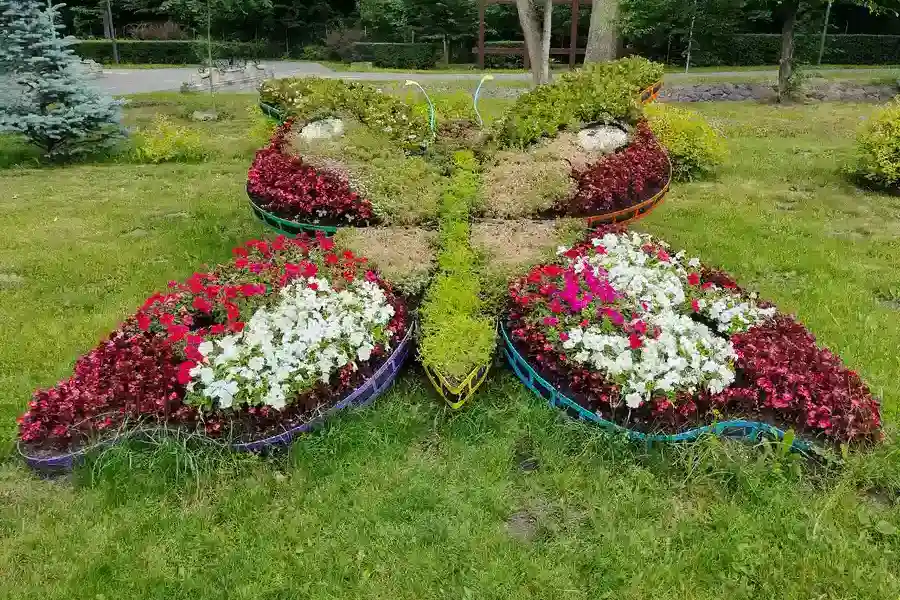
Reap the Rewards With Professional Landscape Services
Your dream landscape doesn’t have to be just a dream. By following these steps or enlisting expert help, you can create an inviting outdoor space that suits your needs. Contact Roses Landscaping at (346) 474-7991 today for personalized service tailored to landscapes in Webster, TX. Our team specializes in bringing visions to reality with dedication and skill.