Understanding the Role of Sustainable Practices in Landscaping
Sustainable outdoor spaces are becoming more popular as people realize the importance of caring for our environment. Creating these spaces involves careful planning and thoughtful design choices. This is where landscape installation plays a vital role. By using the right materials and techniques, we can create beautiful areas that also help preserve nature. It is important to understand how different elements work together in a sustainable landscape.
The Benefits of Eco-Friendly Landscaping
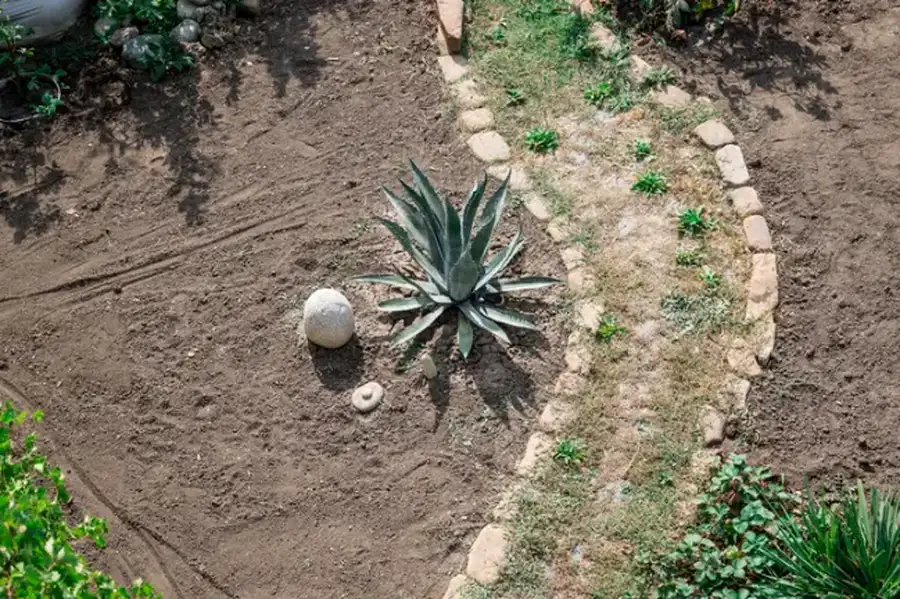
Creating sustainable outdoor spaces offers numerous benefits for both the environment and homeowners. Eco-friendly landscaping reduces water usage, minimizes waste, and enhances biodiversity. Additionally, it helps lower energy costs and maintenance needs over time. These sustainable practices not only protect natural resources but also provide a healthier living space for you and your family.
Challenges in Achieving Sustainable Landscapes
While the benefits are clear, creating a sustainable outdoor space comes with challenges. One major issue is balancing aesthetic appeal with environmental considerations. Some traditional landscaping methods can harm local ecosystems if not carefully managed. Furthermore, the initial cost of eco-friendly materials might seem high, making budget management crucial. Understanding these challenges can help in addressing them effectively.
Effective Planning for a Sustainable Garden
A successful landscape installation starts with proper planning. Consider factors like climate, soil type, and native plants when designing your garden. Choosing drought-resistant plants can save water and reduce maintenance needs. Using organic fertilizers and mulches will support healthy plant growth without harmful chemicals. Planning with sustainability in mind ensures long-term success and environmental harmony.
Techniques for Reducing Resource Use
Reducing resource use is critical to supporting sustainable landscapes. Techniques such as rainwater harvesting and drip irrigation systems can significantly cut down on water usage. Solar lighting provides an environmentally friendly alternative to traditional garden lights. Incorporating these methods into your landscape installation can make a big difference in sustainability while maintaining functionality.
Regulations and Standards for Eco-Friendly Landscapes
When implementing sustainable practices, it is essential to be aware of relevant regulations and standards. Many areas have guidelines for water use, chemical applications, and plant choices. Staying informed about these requirements ensures compliance and promotes environmentally responsible gardening. Consulting with experts or local authorities can provide valuable insights into best practices for eco-friendly landscaping.
Cost Considerations for Sustainable Installations
Investing in sustainable outdoor spaces can lead to long-term savings despite higher initial costs. The reduced need for water, fertilizers, and maintenance often offset the upfront expenses over time. Comparing prices of materials and calculating potential savings can guide financial decisions. Prioritizing quality over quantity helps ensure lasting results that benefit both the environment and your budget.
Your Partner in Creating Green Spaces
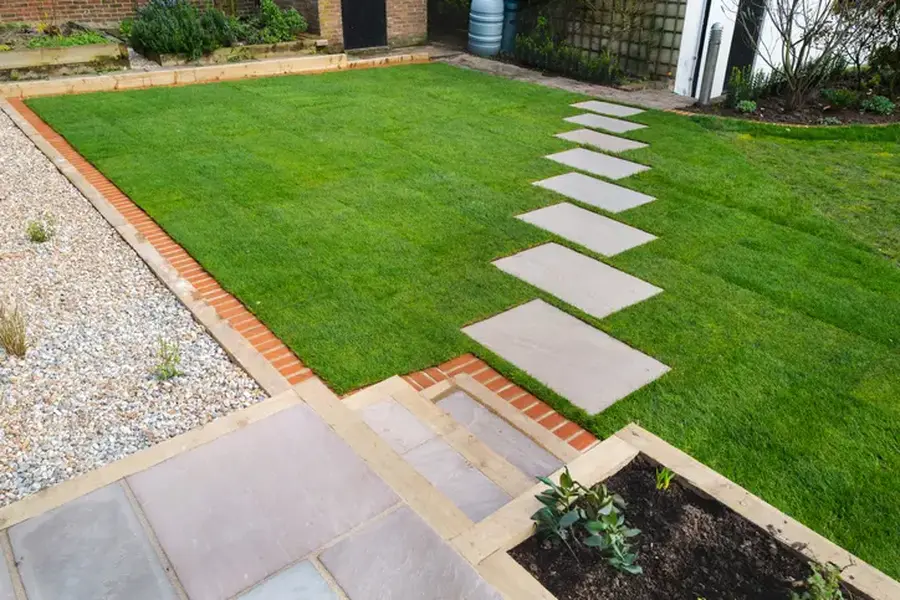
At Roses Landscaping, we specialize in helping you create beautiful and sustainable outdoor spaces. Located in Webster, TX, our team is committed to delivering exceptional service tailored to your unique needs. For expert advice and professional installation services, contact us today at (346) 474-7991. Let’s work together to bring your vision of a green oasis to life.